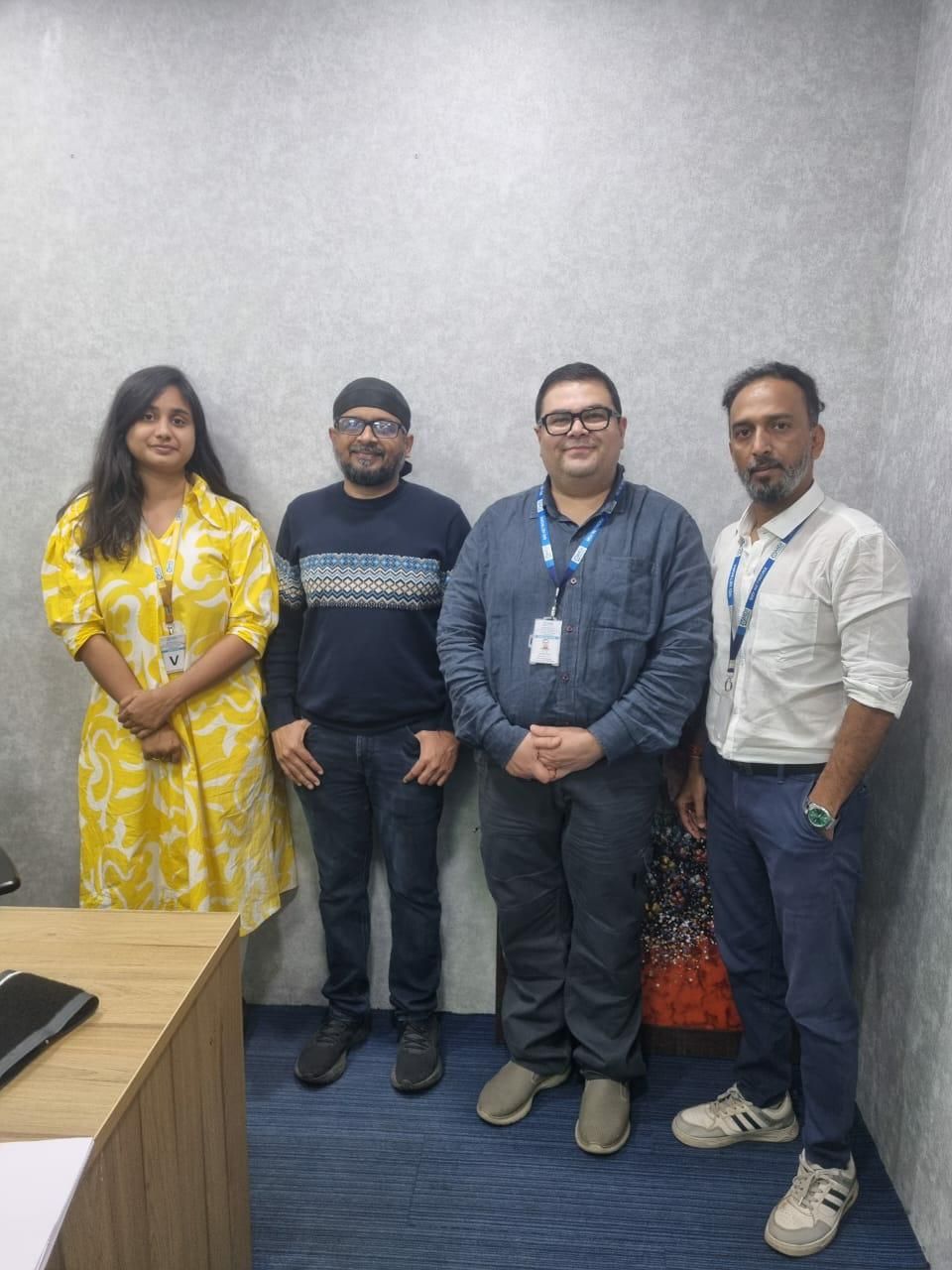
This month, we are delighted to feature Tushar Wankhede from the Compliance GRC Department.
Tushar plays a vital role in strengthening the organization's compliance and governance framework. His responsibilities include managing security awareness initiatives, overseeing Active Directory account lifecycle processes, reviewing IT reports from both technical and compliance perspectives, managing administrative and security controls across multiple functions, policy lifecycle management, audit evidence validation, and supporting compliance documentation and reporting activities.
Academically, Tushar holds a Bachelor of Science in Information Technology (2022) and a Master of Science in Information Technology (2024), demonstrating his commitment to continuous learning and professional development.
Outside work, Tushar enjoys playing basketball and cooking. These hobbies help him stay energized, creative, and focused while maintaining a healthy work-life balance.
We appreciate Tushar’s dedication and valuable contributions to the organization and wish him continued success in all his future endeavors.


.png?width=200&height=100&name=SYNERGY%20Logo%201%20(1).png "SYNERGY Logo 1 (1)")


.png?width=1254&height=1254&name=ChatGPT%20Image%20May%2029%2c%202026%2c%2004_43_29%20PM%20(1).png)
.png?width=1254&height=1254&name=ChatGPT%20Image%20May%2029%2c%202026%2c%2004_43_30%20PM%20(5).png)
.png?width=1254&height=1254&name=ChatGPT%20Image%20May%2029%2c%202026%2c%2004_43_30%20PM%20(3).png)
.png?width=1254&height=1254&name=ChatGPT%20Image%20May%2029%2c%202026%2c%2004_43_29%20PM%20(2).png)
.png?width=1254&height=1254&name=ChatGPT%20Image%20May%2029%2c%202026%2c%2004_43_30%20PM%20(4).png)
.png?width=1254&height=1254&name=ChatGPT%20Image%20May%2029%2c%202026%2c%2004_43_30%20PM%20(6).png)
.png?width=1254&height=1254&name=ChatGPT%20Image%20May%2029%2c%202026%2c%2004_43_31%20PM%20(8).png)
.png?width=1254&height=1254&name=ChatGPT%20Image%20May%2029%2c%202026%2c%2004_43_31%20PM%20(7).png)
.png?width=308&height=308&name=image%20(5).png "image (5)")




.png?width=333&height=250&name=Untitled%20design%20(15).png "Untitled design (15)")

.jpg?width=2000&height=1335&name=OMI_9881%20(1).jpg "OMI_9881 (1)")